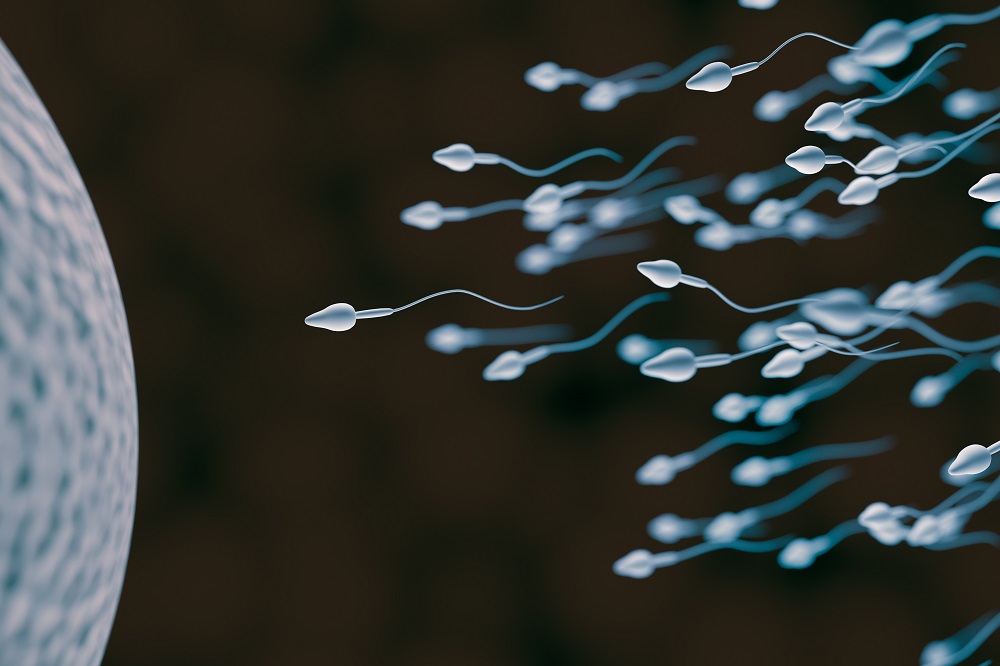

Pregnancy is a time of excitement, but for women diagnosed with fibroids, it can also bring uncertainty and concern. If you’ve been told you have fibroids during pregnancy, you may be wondering how they will affect your health, your baby, and your delivery.
The good news is that most women with fibroids have completely normal pregnancies and healthy babies. However, understanding the risks, symptoms, and management options is essential to ensure the best possible outcome.
In this guide, we’ll explain everything you need to know about fibroids during pregnancy, including growth patterns, complications, and treatment approaches.
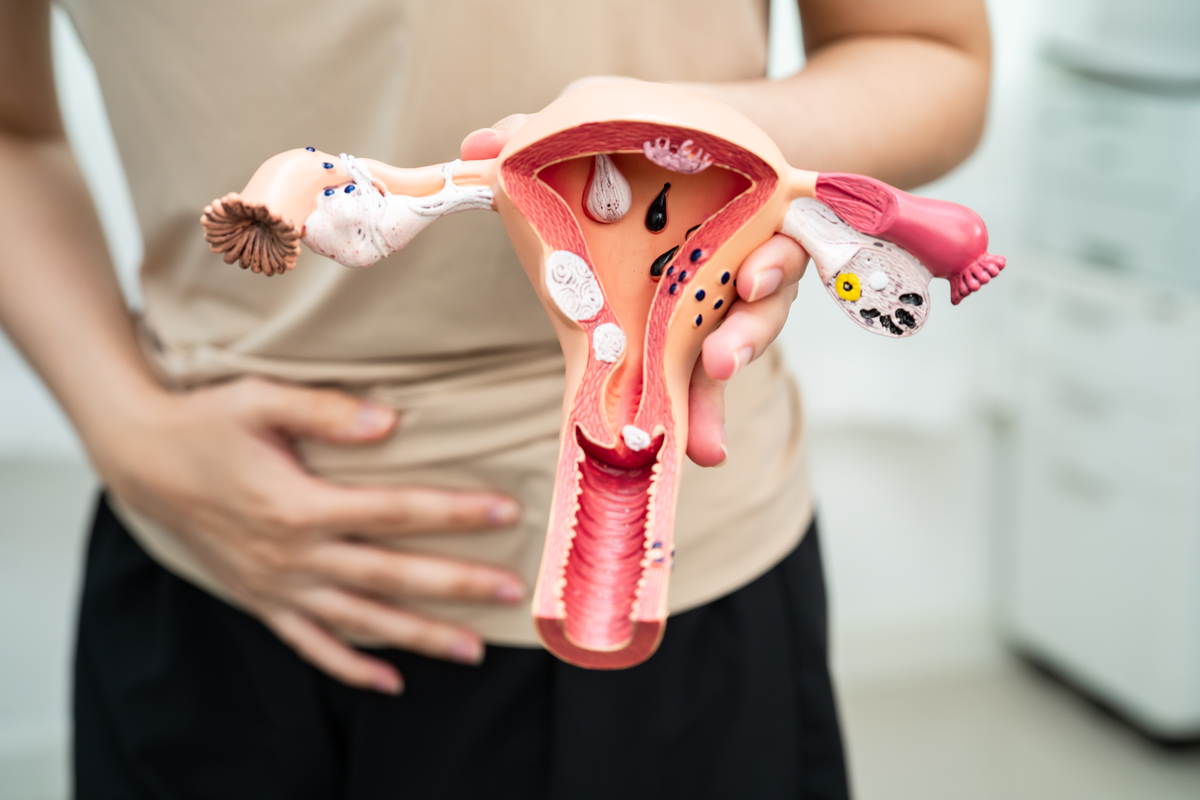
Fibroids During Pregnancy – What You Need to Know
If your doctor just told you that you have fibroids, your first thought is probably: fibroids, what are they, and should I be worried?
Fibroids are simply non-cancerous growths that develop in the uterus. You might also hear them called myoma or leiomyoma of the uterus. They can be very small, or sometimes large enough to change the shape of the uterus—but the key thing to remember is that they are not cancerous.
How common are fibroids during pregnancy?
Fibroids during pregnancy are actually more common than most people think. Around 2% to 10% of pregnant women have them. In many cases, women don’t even know they have fibroids until they show up during a routine pregnancy scan.
So if you’ve just found out, you’re definitely not alone.
Are fibroids dangerous during pregnancy?
This is usually the biggest concern—are fibroids dangerous?
In most cases, the answer is no. Fibroids are not dangerous and don’t harm the baby. That said, depending on their size and location, they can sometimes cause:
- Some pain or discomfort
- Light bleeding or spotting
- A feeling of pressure in the lower abdomen
- Changes in how the baby is positioned
Doctors usually keep an eye on these, but they don’t automatically mean something is wrong.
Reassurance: Most pregnancies are normal
Here’s the part that really matters—most women with fibroids during pregnancy go on to have completely normal pregnancies and healthy babies.
You’ll likely have a few extra check-ups just to monitor things, but in most cases, everything progresses smoothly. Staying in touch with your doctor and attending regular scans is usually all that’s needed.
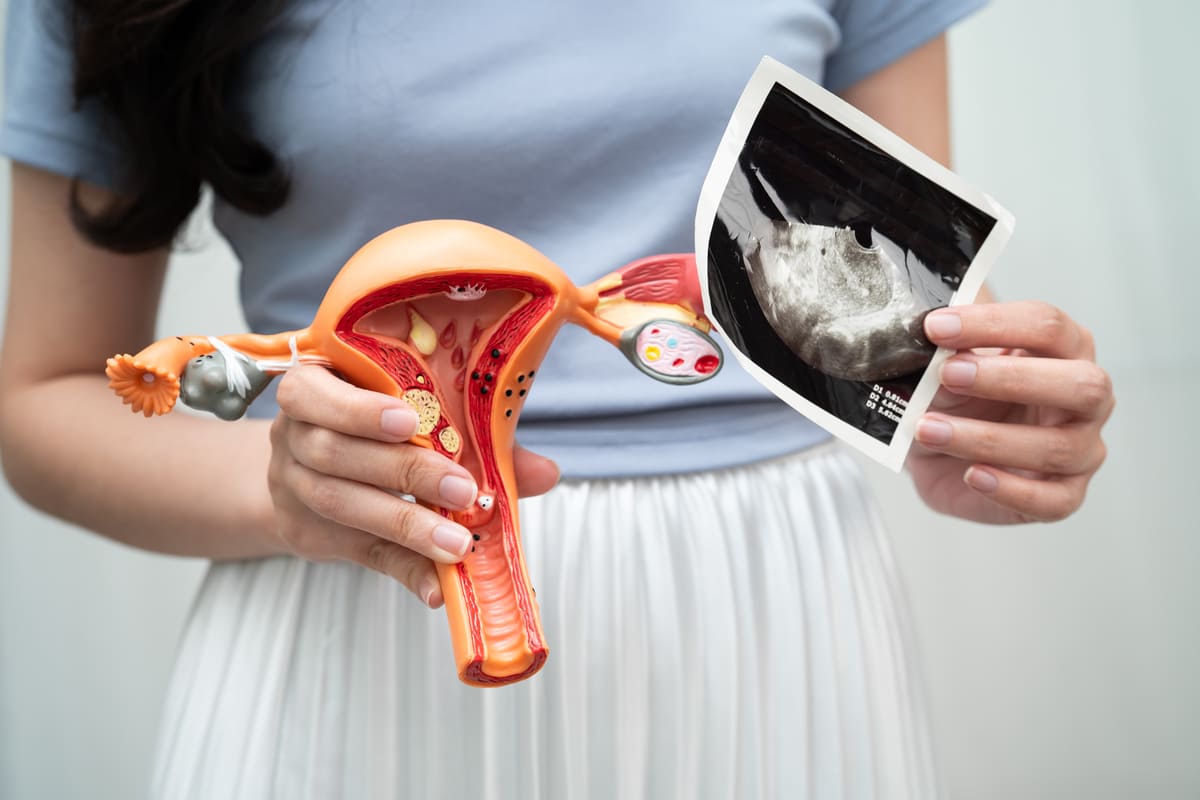
Fibroid Growth During Pregnancy – Do Fibroids Get Bigger?
One of the most common questions women ask is: do fibroids actually grow during pregnancy?
The honest answer is—it depends.
Yes, fibroids can grow during pregnancy, mainly because your body produces higher levels of estrogen and there’s increased blood flow to the uterus. But here’s something many people don’t realize: most fibroids don’t grow as much as we assume.
What doctors see in real clinical practice is more nuanced.
- In the first trimester, some fibroids may increase in size. This is when hormone levels—especially estrogen and progesterone—rise rapidly, and the uterus receives more blood supply.
- However, after this early phase, growth often slows down or stops completely.
- Studies and imaging data show that around 70–80% of fibroids either don’t change much in size or may even shrink later in pregnancy or after delivery.
In the second and third trimesters, many fibroids actually become less active. Some undergo changes where their internal tissue breaks down due to reduced blood supply—a process that can lead to temporary pain but may also reduce their size.
So instead of continuous growth, fibroids tend to follow a pattern of:
early growth → stabilization → possible shrinkage
Why do fibroids grow in pregnancy? (What’s really happening in the body)
To understand fibroid growth, it helps to know that fibroids are hormone-sensitive tumors.
During pregnancy, your body goes through major biological changes:
1. Hormonal surge (Estrogen & Progesterone)
Fibroids respond strongly to estrogen. During pregnancy, estrogen levels rise significantly, especially in the early weeks. This can stimulate fibroid cells to grow or retain fluid, making them appear larger.
Progesterone also plays a role by supporting tissue growth and increasing blood vessel formation inside fibroids.
2. Increased blood flow to the uterus
Your uterus receives much more blood during pregnancy to support the baby. Fibroids, being part of the uterine tissue, also get access to this increased blood supply—at least initially.
This is one of the key reasons why some fibroids enlarge in early pregnancy.
3. Changes in growth signals (cell activity)
Pregnancy triggers various growth factors in the body—these are signals that tell tissues when to grow or slow down. Fibroids can respond to these signals differently depending on their type and structure.
That’s why:
- Some fibroids grow
- Some stay stable
- Others shrink
What is “red degeneration” and why does it happen?
One of the most important (and often misunderstood) changes is something called red degeneration.
Here’s what actually happens:
As the pregnancy progresses, a fibroid may grow faster than its blood supply can support. When that happens, parts of the fibroid don’t get enough oxygen, and the tissue begins to break down.
This can cause:
- Sudden, sharp abdominal pain
- Localized tenderness
- Sometimes mild fever
While it can feel alarming, doctors consider this a self-limiting condition, meaning it usually settles on its own with rest, hydration, and safe pain management.
Interestingly, this process can sometimes lead to fibroid shrinkage later on.
Does fibroid growth always lead to complications?
Not necessarily—and this is where many people worry unnecessarily.
Even if a fibroid grows:
- It doesn’t automatically affect the baby
- It doesn’t always interfere with the uterus
- And it doesn’t mean you’ll have a complicated pregnancy
Complications are more likely when fibroids are:
- Very large
- Located inside the uterine cavity
- Positioned near the placenta
But in most cases, fibroids grow in a way that does not disrupt the pregnancy.
What happens to fibroids after delivery?
After childbirth, hormone levels—especially estrogen—drop sharply.
Because fibroids depend on these hormones, many of them:
- Shrink significantly within 3–6 months postpartum
- Become less symptomatic
- May not require any treatment at all
This is why doctors often recommend a “wait and watch” approach during pregnancy unless symptoms become severe.
How doctors track fibroid changes during pregnancy
From a medical perspective, management is usually straightforward and cautious.
Your doctor will typically:
- Use ultrasound scans to monitor fibroid size
- Check whether fibroids are affecting the baby’s growth
- Watch for signs of complications (like placental issues)
Most of the time, no intervention is needed—just observation and symptom management.
Effects of Fibroids on Pregnancy – Risks for Mother & Baby
Fibroids can affect pregnancy by increasing the risk of certain complications, especially when they are large, multiple, or located inside the uterus. These effects mainly occur due to limited space in the uterus, changes in blood flow, or interference with the placenta and baby’s position.
Risks for the Mother
- Pain and Miscarriage: Fibroids can cause significant pain, especially when they outgrow their blood supply (degeneration). They may also increase the risk of early miscarriage, particularly if located near the placenta or uterine lining.
- Preterm Labor: Fibroids can irritate the uterus and trigger early contractions, increasing the chances of delivery before 37 weeks.
- Placental Issues: In some cases, fibroids may interfere with the placenta, leading to conditions like placental abruption or placenta previa.
- Cesarean Delivery: Women with fibroids are more likely to require a C-section, especially if fibroids block the birth canal or affect the baby’s position.
- Postpartum Hemorrhage: Fibroids may affect how well the uterus contracts after delivery, increasing the risk of heavy bleeding.
Risks for the Baby
- Malpresentation (Breech Position): Limited space in the uterus can prevent the baby from moving into a head-down position before birth.
- Fetal Growth Restriction: In rare cases, fibroids may affect blood flow or space, which can slow the baby’s growth.
- Preterm Birth Complications: Babies born early may face issues like low birth weight or require special care in the NICU.
Other possible complications
While less common, fibroids may also contribute to:
- Increased chances of C-section delivery (sometimes up to several times higher)
- Postpartum bleeding, due to the uterus not contracting effectively
- Rarely, restricted baby growth if fibroids affect blood flow
Myoma in Pregnancy – Types and Their Impact
Myoma in pregnancy refers to uterine fibroids present during pregnancy. These are non-cancerous growths that develop in the uterus and are quite common. In many cases, women don’t even know they have them until a routine ultrasound detects them.
Most myomas remain harmless during pregnancy. But depending on their size, number, and location, they can sometimes lead to symptoms like pain, bleeding, or pregnancy-related complications.
Role of myoma in pregnancy
The impact of myoma in pregnancy is not the same for every woman. Some pregnancies remain completely normal, while others may need closer monitoring.
Fibroids can grow due to hormonal changes, especially in early pregnancy. In certain cases, they may:
- Increase the risk of miscarriage
- Trigger preterm contractions
- Affect placental attachment
- Cause pain due to degeneration
That said, most women with fibroids still have healthy pregnancies, especially with proper monitoring.
Types of myoma and their impact
Submucosal Fibroids
Submucosal fibroids develop just beneath the inner lining of the uterus and grow into the uterine cavity. Because of their position, they can distort the shape of the uterus, making them the most impactful type during pregnancy. These fibroids are closely linked to implantation issues, early miscarriage, and bleeding, as they directly interfere with where and how the embryo attaches. In some cases, they may also affect placental development, which can increase the risk of complications later in pregnancy. Due to these factors, submucosal fibroids usually require closer monitoring.
Intramural Fibroids
Intramural fibroids grow within the muscular wall of the uterus and are the most common type. During pregnancy, they can affect how the uterus expands and contracts as the baby grows. While many women with intramural fibroids have normal pregnancies, larger or multiple fibroids may lead to pain, uterine irritability, or preterm contractions. In some cases, they can also increase the likelihood of cesarean delivery, especially if they interfere with the baby’s position or the normal progress of labor.
Subserosal Fibroids
Subserosal fibroids develop on the outer surface of the uterus and generally have the least impact on pregnancy. Since they grow outward, they usually do not interfere with the uterine cavity or the baby’s development. However, if they become large, they can cause pressure symptoms, discomfort, or localized pain, especially when they outgrow their blood supply (a condition known as degeneration). Despite these symptoms, subserosal fibroids are typically considered lower risk compared to other types.
Which types are more risky?
When it comes to fibroids, location matters more than size.
- Fibroids inside the uterine cavity → higher miscarriage risk
- Fibroids near the placenta → placental complications
- Fibroids in the lower uterus → delivery challenges
C Section Birth with Fibroids – Will You Need Surgery?
In most cases, women with fibroids can still have a normal vaginal delivery. However, the chances of a C-section are slightly higher, depending on the size and location of the fibroid.
A cesarean may be needed if the fibroid blocks the birth canal, affects the baby’s position, or causes labor not to progress properly. Fibroids in the lower uterus or near the cervix are more likely to lead to this situation.
Doctors usually do not remove fibroids during a C-section because the uterus has a high blood supply during pregnancy, which increases the risk of heavy bleeding.
Pregnancy After Myomectomy Age 40 – Is It Safe?
Pregnancy after myomectomy age 40 is possible and often successful, but it is considered a higher-risk pregnancy that needs close monitoring. Removing fibroids can improve fertility, and many women are able to conceive naturally or with support after surgery.
However, there are some risks to be aware of. The main concern is uterine rupture, which is rare but serious, along with a slightly higher chance of preterm birth. Doctors usually recommend a planned C-section, especially if the fibroid was deep or large.
Age also plays an important role. Fertility naturally declines after 40 due to lower egg quality, which can affect pregnancy outcomes.
How Doctors Manage Fibroids During Pregnancy
Doctors usually manage fibroids during pregnancy with a conservative approach, focusing on monitoring and symptom control rather than active treatment. Regular ultrasound scans are used to track the size, number, and position of fibroids and ensure they are not affecting the baby’s growth or blocking the birth canal.
Pain, especially from fibroid degeneration, is managed with rest, hydration, and pregnancy-safe medications like acetaminophen. Lifestyle care, including adequate rest, also plays an important role.
Surgery (myomectomy) is rarely recommended during pregnancy because the uterus has increased blood supply, which raises the risk of heavy bleeding. It is only considered in severe cases.
When to See a Doctor for Fibroids During Pregnancy
You should see a doctor immediately if you experience severe abdominal pain, heavy bleeding, early contractions, fever, or reduced baby movements during pregnancy with fibroids. These symptoms may indicate complications such as fibroid degeneration, placental issues, or preterm labor, especially if the fibroids are large or multiple.
Timely medical care is important to ensure both maternal and fetal safety. Regular monitoring, proper diagnosis, and expert guidance can help manage symptoms effectively and prevent complications.
If you’re experiencing symptoms or have concerns about fibroids during pregnancy, it’s important to consult an experienced gynecologist for proper evaluation and guidance. Dr. Vaishali Sharma (MD, AIIMS) has over 15 years of experience in managing uterine fibroids, laparoscopic surgery, and high-risk pregnancies, and provides personalized treatment plans using advanced techniques.
Final Thoughts
Fibroids during pregnancy can feel concerning, but in most cases, they do not lead to serious problems. With proper monitoring, timely medical care, and the right guidance, many women go on to have smooth pregnancies and healthy babies.
The key is understanding how fibroids behave, recognizing warning signs early, and following your doctor’s advice. Every pregnancy is different, and factors like fibroid size and location play an important role. Staying informed and proactive can help you manage fibroids confidently throughout your pregnancy journey.